Decluttering & Storage Tips Before Selling Your Home
Preparing a property for sale often involves more than cleaning and completing a few minor repairs. Over time, everyday possessions can fill worktops, shelves, cupboards and spare rooms, making it harder to appreciate the amount of usable space a home actually provides.
Decluttering before photographs and viewings can help present rooms more clearly while giving you a useful head start on the eventual move.
Presentation is only one part of the process, though. Experienced estate agents can advise sellers on how their particular property should be presented and marketed, while homeowners can concentrate on making each room tidy, accessible and straightforward for prospective buyers to understand. The aim is not to make a lived-in home look empty, but to remove enough excess belongings for its layout and features to remain the focus.
A sensible decluttering plan also avoids the last-minute approach of pushing everything into cupboards before a viewing. Buyers may want to understand the storage available within a property, so wardrobes, built-in cupboards and utility areas deserve attention too.
Start by Looking at Your Home Differently
When you live somewhere every day, it becomes easy to stop noticing clutter.
A pile of post on a sideboard, several appliances on a kitchen worktop or boxes in the corner of a spare room can gradually become part of the background. Someone viewing the property sees the room for the first time.
Walk through each room as though you were visiting the house yourself. Look at entrances, floors, work surfaces and furniture. Ask whether belongings are making it difficult to see the size or purpose of the room.
Photographs can help with this exercise. A room that appears reasonably tidy in person can sometimes look busier in a photograph.
Prioritise obvious problem areas first rather than trying to reorganise the entire property in one weekend.
Clear the Most Visible Surfaces
Worktops, tables, windowsills and open shelving have a strong influence on how busy a room feels.
In the kitchen, consider whether every appliance needs to remain on display. Items used only occasionally can be packed or stored, leaving the main preparation areas easier to see.
Bathrooms can benefit from the same approach. Everyday toiletries obviously need somewhere convenient to live, but large collections of bottles and cleaning products do not all need to remain visible.
In living areas, review decorative items, magazines, toys and small pieces of furniture. You do not have to remove everything. A few carefully chosen possessions can make a home feel comfortable without overwhelming the room.
The goal is visual clarity rather than creating an artificial show home.
Don't Remove All of Your Home's Personality
Decluttering and depersonalising are often treated as though they mean removing every trace of the people who live in a property.
That can go too far.
A home still needs to feel welcoming. Books, artwork, plants and selected personal objects can help rooms feel lived in and cared for.
Instead of removing every personal possession, concentrate on quantity. A shelf containing a few items usually appears calmer than one packed from edge to edge. Similarly, reducing a large collection of family photographs may be enough without removing every photograph in the property.
Focus particularly on items that distract from the room itself. Buyers should be able to notice the fireplace, windows, flooring or available floor area without competing with excessive belongings.
Remember That Buyers Notice Storage Space
Decluttering should not stop at the cupboard doors.
Storage is an important practical consideration when choosing a home, and an overfilled wardrobe or cupboard can make available space harder to assess.
You do not need perfectly arranged shelves, but reducing overcrowding can make cupboards more functional during the selling period.
Start with items you rarely use. Out-of-season clothing, spare bedding, archived paperwork and infrequently used household equipment may not need to remain in prime storage areas while the property is being marketed.
The same applies to kitchen cupboards. Removing expired food, duplicate equipment and items you no longer use can create additional room for the things that need to stay.
This process has another advantage: everything you remove now is something you will not have to sort immediately before moving day.
Use a Keep, Store, Donate and Dispose System
Decision-making is often the hardest part of decluttering.
Creating four categories can make it easier:
- Keep items are things you regularly need and want accessible while the property is being sold.
- Store items are possessions you intend to take to the next home but can comfortably live without for several weeks or months.
- Donate or sell items are still useful but no longer needed.
- Dispose or recycle covers belongings that are damaged, unusable or unsuitable for donation, following local disposal and recycling requirements.
Try to make a genuine decision about each item. A large “decide later” pile simply moves the clutter from one room to another.
Label packed boxes as you work so that stored belongings remain easy to identify when you eventually need them again.
Consider Temporary Storage During the Selling Process
Some homes simply do not have enough spare room to keep packed belongings out of sight while remaining comfortable to live in.
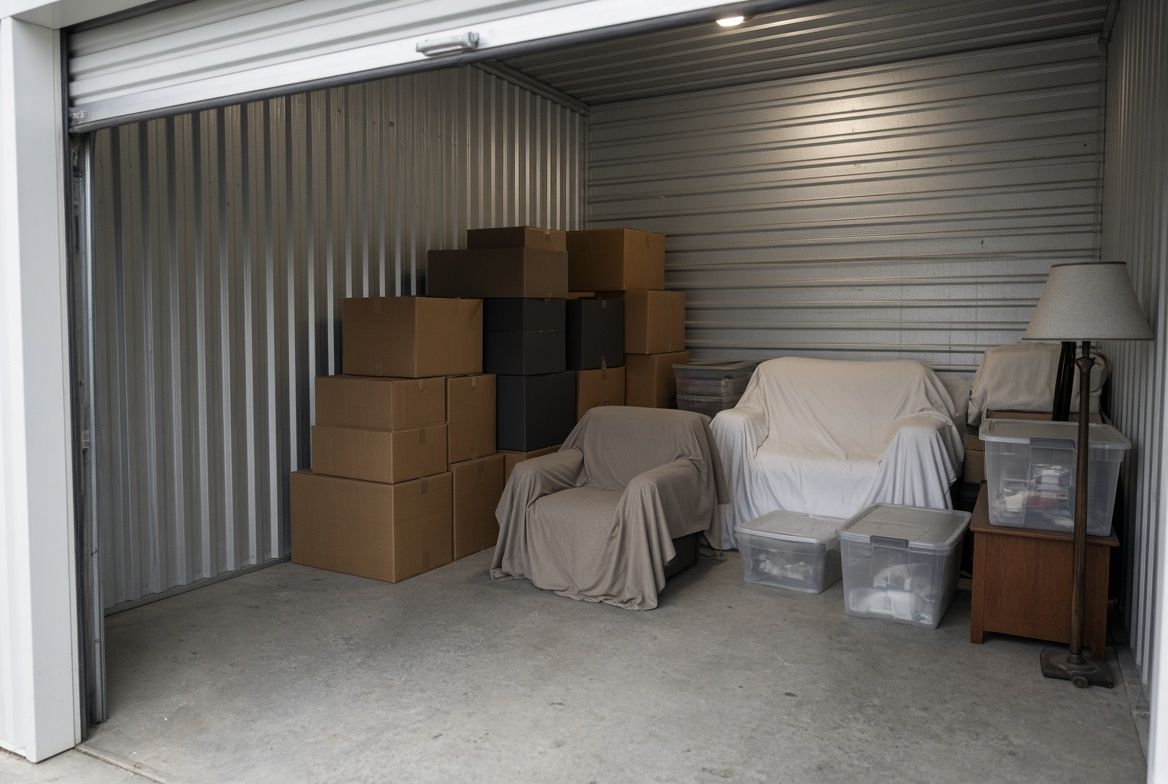
This is where temporary storage can be useful. Rather than filling a garage, spare bedroom or dining area with boxes, suitable belongings can be moved away from the property until they are needed.
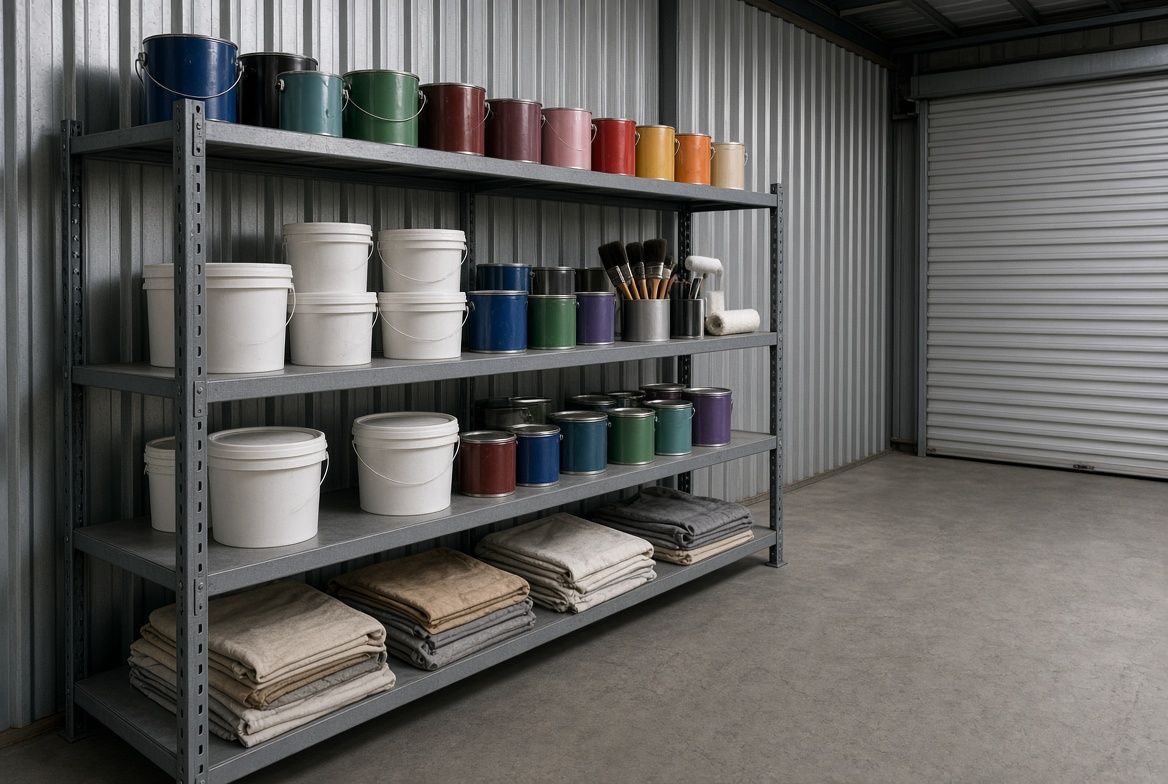
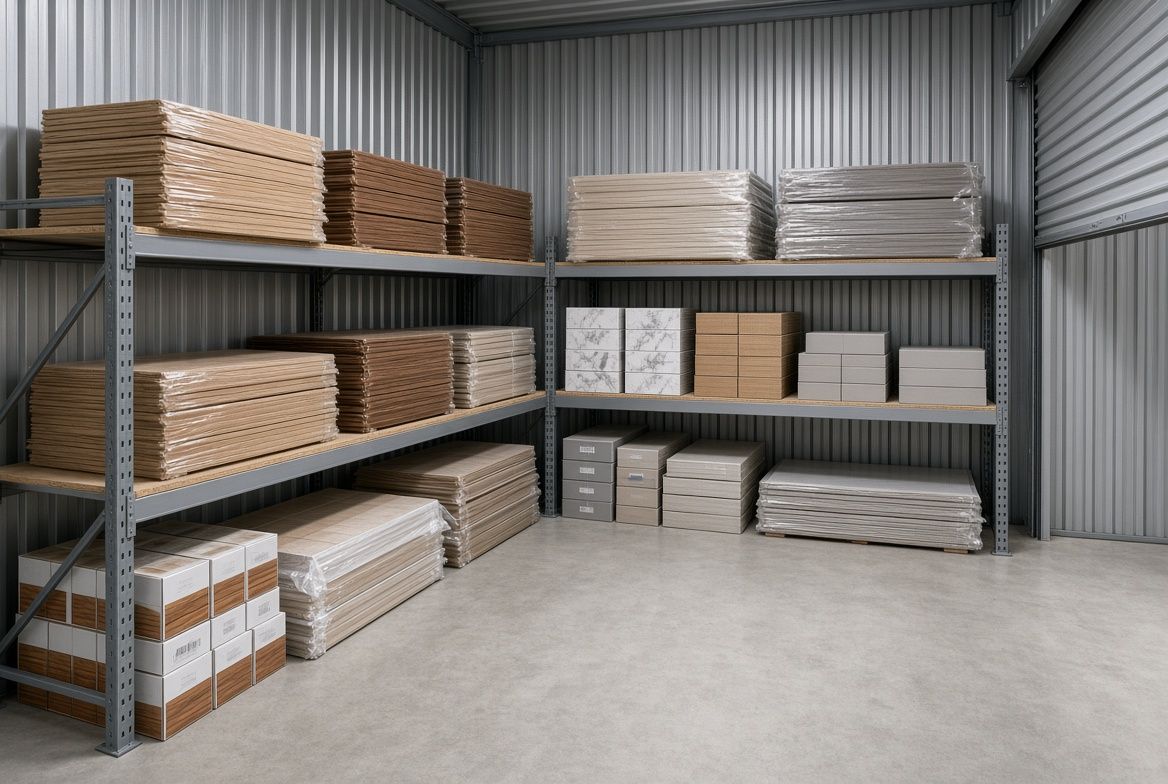
For homeowners preparing for a sale or move, storage for individuals in Peterborough can provide additional space for suitable furniture, boxes and household belongings while freeing up room at home.
Be selective about what goes into storage. Seasonal items, books, collections, excess furniture and belongings already packed for the future home are stronger candidates than things you use every week.
Pack systematically and label every box. Temporary storage should make the move easier, not create a second location full of unidentified belongings.
Prepare Rooms for Property Photography
Property photographs are often a prospective buyer's first detailed introduction to a home.
Before photography, look carefully at what will appear within each frame. Clear unnecessary items from worktops, remove temporary clutter and straighten visible storage areas.
Pay particular attention to smaller rooms. Excess furniture or belongings can dominate the photograph and make the room's layout harder to understand.
Cables, bins, laundry, paperwork and collections of everyday products can also draw attention away from the features you actually want people to notice.
Outdoor areas deserve the same consideration. Put away unnecessary tools, children's outdoor equipment and empty plant pots where practical.
Your estate agent or photographer may have specific recommendations, so consider those alongside your own preparation.
Give Garages, Lofts and Spare Rooms a Purpose
Areas that naturally accumulate possessions can become difficult for buyers to assess.
A garage packed from wall to wall may technically provide excellent storage, but its dimensions and potential uses are harder to appreciate when very little of the space is visible.
The same applies to spare bedrooms. If a room has gradually become a storage area, deciding on a clear primary purpose can help viewers understand how it might be used.
Lofts should be approached sensibly. There is no need to empty a functioning storage area purely for presentation, but removing broken, obsolete or unwanted belongings can make the eventual move easier.
Do not simply relocate everything from one cluttered room to another. The objective is to reduce and organise what is in the property overall.
Start Packing Before You Have a Moving Date
You do not need to wait until contracts are progressing to pack items you know will not be required soon.
Books you have already read, ornaments, seasonal clothing and spare household items can often be packed well in advance.
Use sturdy boxes and avoid making them unnecessarily heavy. Books, for example, are better distributed between smaller boxes than packed into one container that becomes difficult to lift safely.
Label boxes with both their contents and intended room in the next property. “Kitchen – baking equipment” is much more useful than simply writing “kitchen”.
Keep an inventory if you are putting a significant number of boxes into storage. A simple numbered list can save considerable time later.
Keep Everyday Essentials Separate
One danger of packing early is accidentally putting away something you still need.
Being organised now can prevent searching through ten sealed boxes for a phone charger later.
Keep Decluttered Rooms Under Control
Once the initial decluttering is complete, the challenge is keeping the house that way while viewings continue.
Give everyday items a designated place so rooms can be reset relatively quickly. Baskets or drawers can help with items that are used regularly but do not need to remain on display.
Deal with post and paperwork as it arrives rather than allowing new piles to develop. Children's toys, coats and shoes can also benefit from simple storage routines during the marketing period.
Before each viewing, carry out a quick sweep of the property rather than attempting another major decluttering session. This is much easier when the initial preparation has been thorough.
Use Decluttering to Make Moving Easier
The benefits of decluttering do not end when the photographs have been taken.
Every unwanted item removed before a sale is one less thing to pack, transport and unpack at the next property. Boxes packed logically in advance can also move directly to the correct rooms when the time comes.
Avoid taking belongings to the new home simply because you have owned them for years. Moving provides a useful opportunity to decide what still has a place in your life and your available space.
If possessions have been placed in temporary storage, review them again when moving. Something that seemed essential several months earlier may no longer feel necessary.
Create Space Without Making the Home Feel Empty
Successful pre-sale decluttering is about balance.
Removing excess possessions can make rooms easier to navigate, allow storage areas to function properly and help important property features remain visible. But stripping away everything can leave a home feeling unnecessarily bare.
Work systematically instead. Clear obvious clutter, reduce overcrowded cupboards, pack items you will not need before the move and deal properly with possessions you no longer want.
Where space at home is limited, temporary storage can help keep suitable belongings organised away from the property without forcing every packed box into a spare room or garage.
The result should still feel like a home, simply a more organised one in which prospective buyers can concentrate on the property rather than the possessions inside it.