Storage Solutions for Electrical Contractors
Electrical contractors often need to manage far more equipment than can comfortably remain in a work van. Power tools, test instruments, cable drums, consumer units, lighting products, fixings and boxes of smaller electrical components can quickly occupy valuable space. Add materials purchased for upcoming projects, and keeping everything organised becomes an important part of running an efficient operation.
The equipment required can also vary considerably from one project to another. Contractors providing electrician services across residential and commercial properties may move between testing, repairs, installations, lighting work and larger electrical projects. A well-organised storage system makes it easier to select the appropriate equipment and materials for each job without carrying unnecessary stock everywhere.
Good storage is therefore about more than finding somewhere to put spare equipment. It should protect valuable tools, provide clear visibility of available stock and make frequently required materials straightforward to collect.
Separate Everyday Tools From Project Stock
Not everything an electrical contractor owns needs to travel in the van every day.
Frequently used hand tools, essential test equipment and standard consumables will usually need to remain readily available. Bulk materials, reserve tools and items purchased for future projects can be stored separately until required.
Creating this distinction helps prevent working vehicles from gradually becoming mobile stockrooms. An overloaded van can make individual items harder to find and may result in equipment being repeatedly moved simply to reach something underneath it.
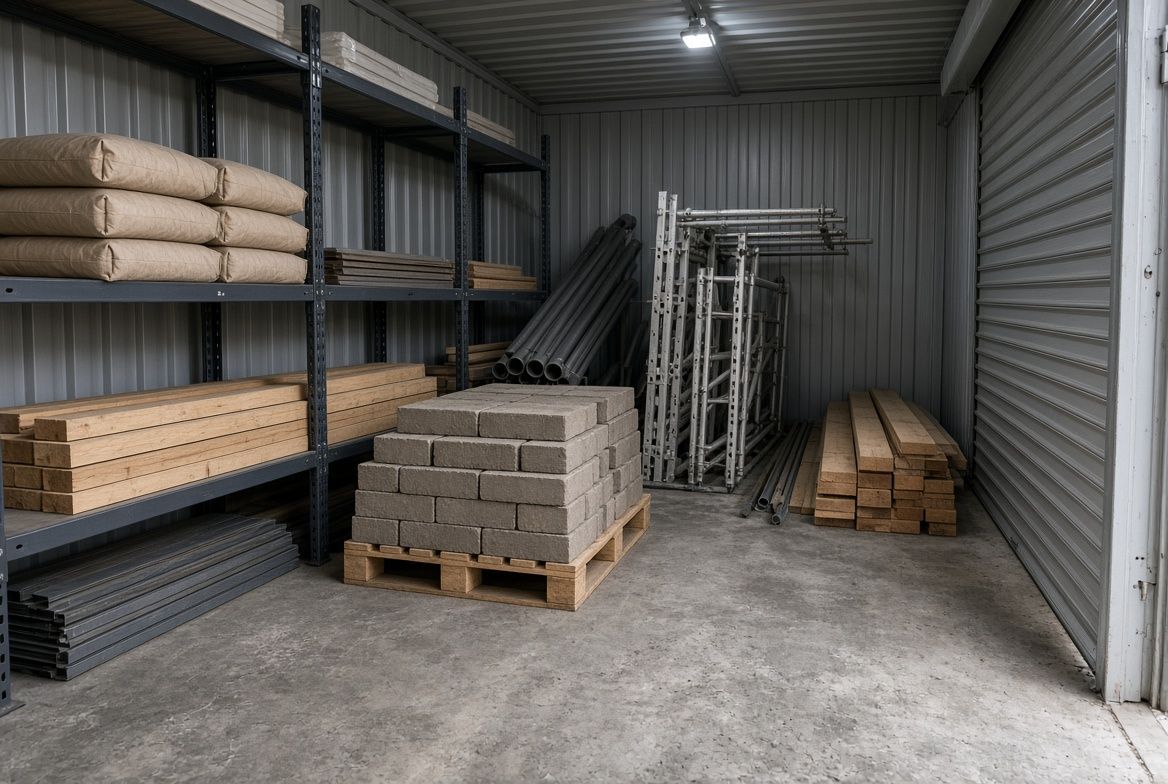
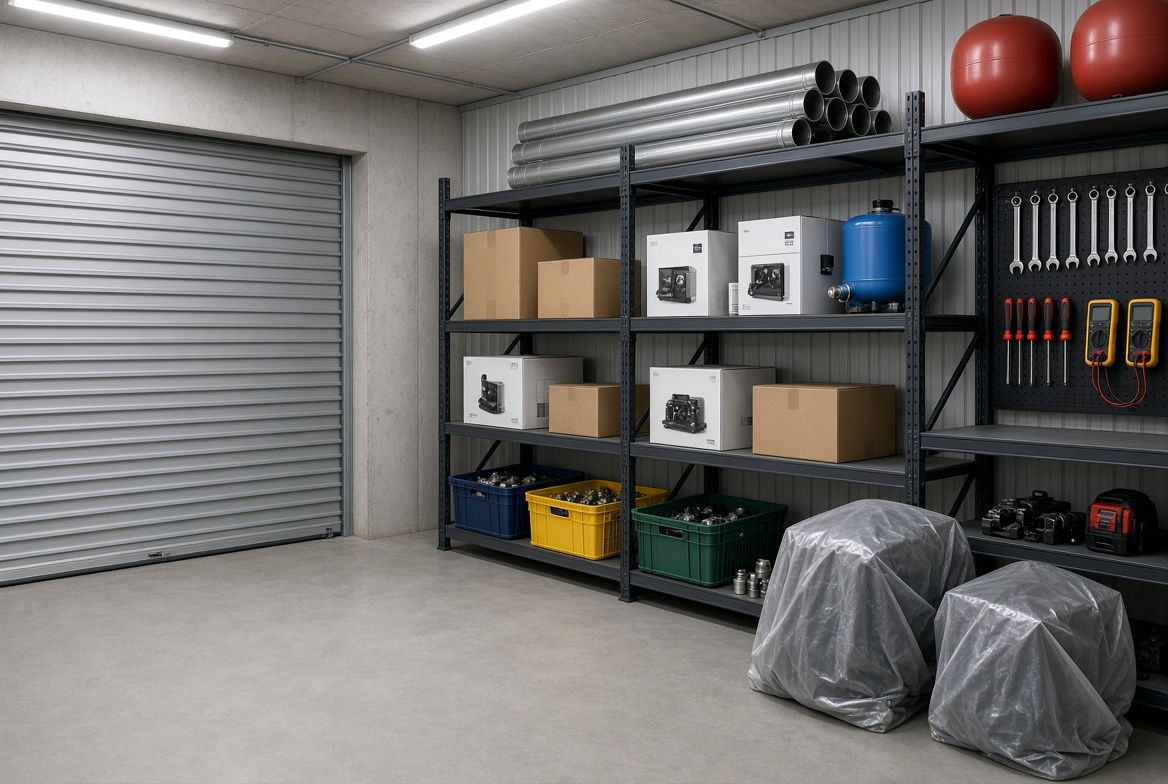
Within a dedicated storage space, equipment can be divided into clear zones. One area might contain power tools and cases, another cables and larger materials, while shelving can hold smaller components.
The exact categories should reflect the type of electrical work the business carries out rather than following an overly complicated system that becomes difficult to maintain.
Protect Test Equipment and Power Tools
Electrical test instruments and professional power tools can represent a considerable investment. They should therefore be given more protection than general stock.
Where manufacturers provide protective cases, use them. Cases help shield equipment from dust, accidental knocks and pressure from other stored items. Delicate equipment should not sit underneath heavy boxes or loose materials.
Tools should also be clean and dry before they are put away. If equipment has been used in dusty, damp or dirty conditions, deal with that before placing it into longer-term storage.
Test instruments may have specific requirements concerning storage, maintenance and calibration. Those requirements should always be checked against the manufacturer's instructions.
The same applies to rechargeable batteries. Battery-powered tools are convenient on site, but their batteries should not simply be left unattended for long periods without considering manufacturer guidance on charging and storage conditions.
Store Cable Neatly to Reduce Damage and Waste
Cable can occupy a surprising amount of space, particularly when contractors retain partial drums and lengths that may be useful on future jobs.
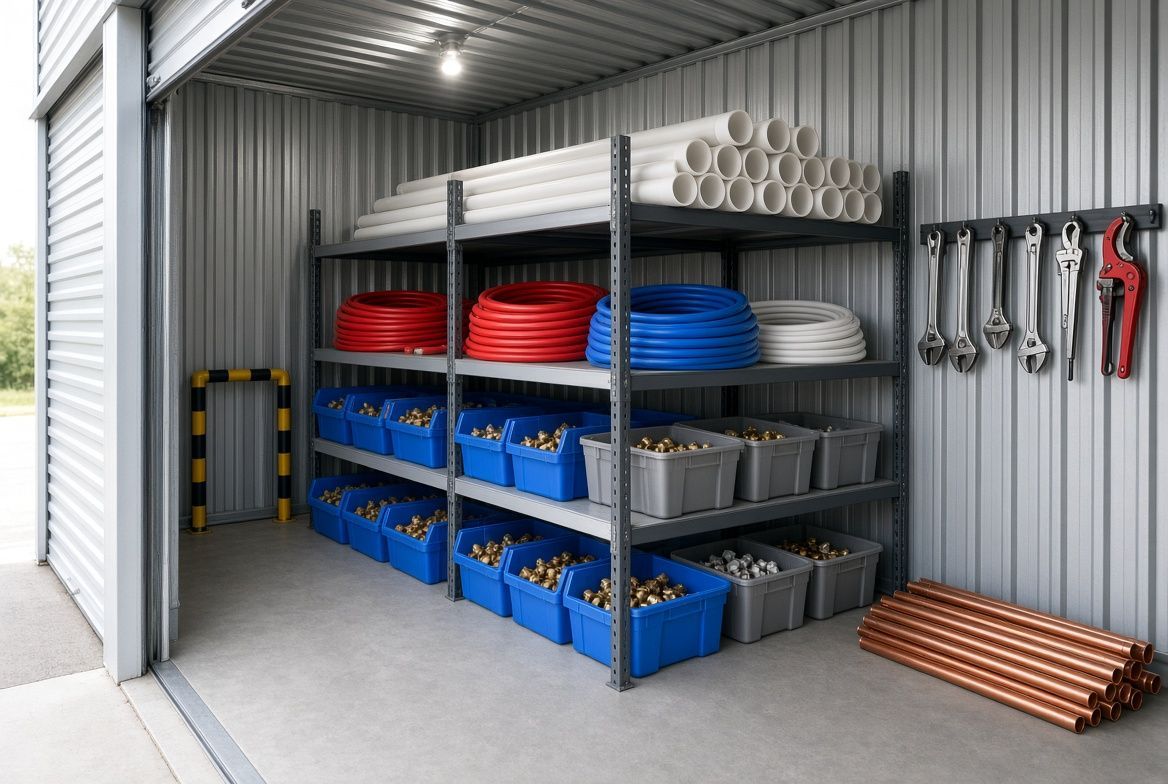
Rather than leaving drums scattered across the floor, assign a suitable area where they can be kept securely and identified easily. Smaller reels can be organised on appropriate shelving, provided the shelving is capable of supporting the load.
Labelling leftover cable is particularly useful. Recording the cable type and approximate remaining quantity can save time when checking whether existing stock is sufficient for another project.
Avoid excessively tight bends, crushing or careless stacking that could damage cable. Manufacturer recommendations should be followed where a particular product has specific handling or storage requirements.
A regular review also prevents small leftover quantities from occupying valuable space indefinitely when they have little realistic prospect of being used.
Give Small Components a Proper System
Small electrical components are easy to lose and frustrating to search for when they are mixed together.
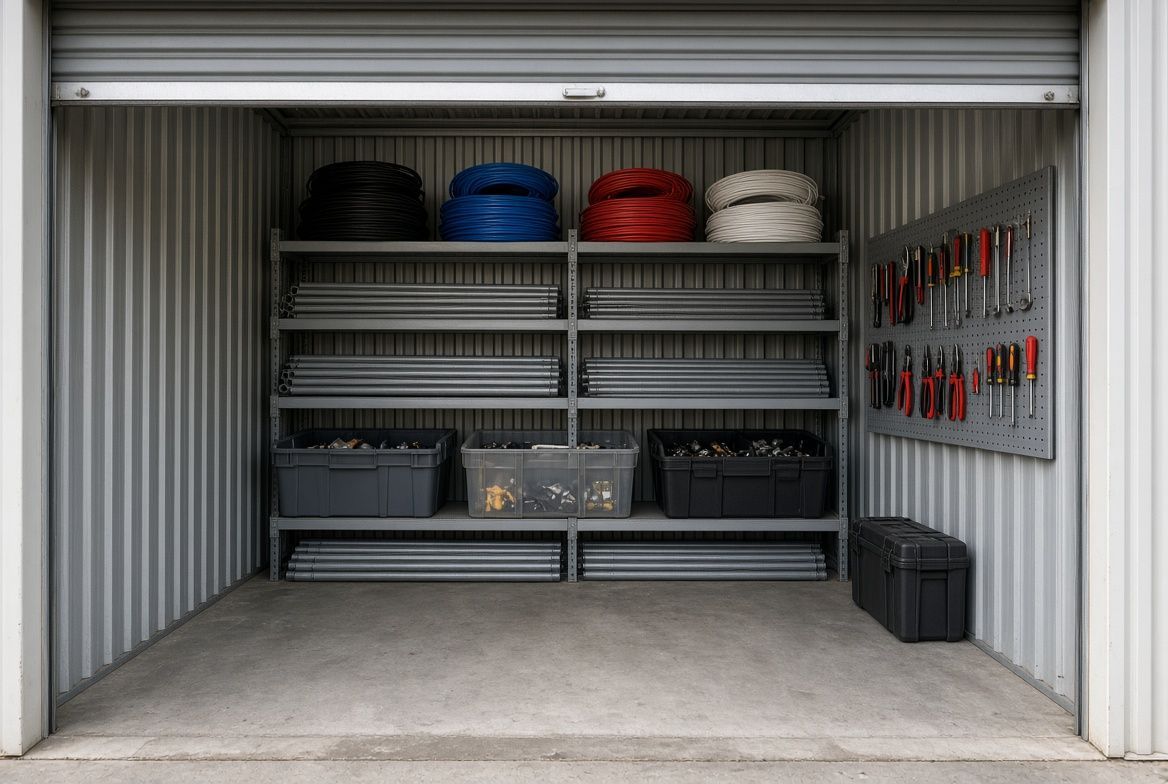
Connectors, glands, clips, screws, fixings, terminals and other frequently used items are better stored in compartment organisers or labelled containers. Transparent containers can be useful because quantities can be checked without opening every box.
Labels should be specific enough to help someone locate an item quickly. Broad categories such as “electrical bits” defeat much of the purpose of organising stock.
If several electricians use the same supplies, consistency becomes even more important. Everyone should know where items belong and return unused components to the appropriate location.
An organised small-parts system can also highlight when commonly used supplies are running low before that shortage becomes a problem on site.
Keep Materials for Upcoming Projects Together
Materials purchased in advance for a specific project should ideally remain grouped together.
This reduces the risk of an item intended for one job being taken for another and can make loading significantly easier when work begins. Clearly label project stock with information that makes sense internally, such as a project reference or site name. Avoid including unnecessary personal customer information on labels that may be visible to other people.
Where a project requires a large quantity of material, dedicate a shelf or defined floor area to it rather than spreading the stock throughout the unit. Once the project is complete, review anything that comes back. Reusable general stock can return to the normal inventory, while project-specific items should be assessed rather than automatically being left in storage indefinitely.
Use Business Storage as an Extension of Your Workspace
As an electrical business grows, the amount of equipment and stock it needs can increase long before it makes financial sense to move into larger permanent premises.
For contractors who need extra capacity, business storage solutions in Peterborough can provide space for suitable tools, equipment and supplies that do not need to remain at a home, office or inside a working vehicle every day.
The key is to treat the unit as organised business space rather than somewhere to deposit excess stock. Use suitable shelving, maintain a clear walkway and position frequently collected equipment where it can be reached without unloading half the unit.
Think about loading and unloading as well. If bulky tools or materials regularly move between storage and a vehicle, the layout should allow them to be collected without navigating around unstable stacks of boxes.
A practical layout saves time each time somebody visits the unit, which becomes increasingly valuable when access is frequent.
Pay Particular Attention to Higher-Value Equipment
Electrical contractors may have substantial value tied up in tools, test equipment and stock.
Maintain a record of higher-value assets, including serial numbers where appropriate. Keeping purchase records and photographs separately can also help with asset management and insurance documentation.
Within the storage unit, avoid leaving valuable equipment immediately visible or unnecessarily exposed when the door is opened. Tools should be kept in cases where practical and arranged so they cannot easily fall or suffer impact damage.
Security should also be considered when choosing the storage facility itself. Look at access arrangements, surveillance, site security and how individual units are secured.
Contractors should separately check their insurance arrangements. Do not assume that tools covered while inside a van, workshop or business premises automatically have identical protection while kept in third-party storage.
Check Before Storing Batteries, Chemicals or Restricted Items
Electrical work can involve products that need more careful consideration than ordinary tools, cables and components.
Some batteries, chemicals, aerosols, fuels, flammable materials or other potentially hazardous products may be restricted or unsuitable for self storage. Requirements can vary depending on the product and the storage provider.
Always check the facility's terms before bringing questionable materials onto the premises. Manufacturer instructions, product labels and relevant safety documentation should also be followed.
If an item requires tightly controlled environmental conditions, specialised handling or particular fire precautions, an ordinary storage unit may not be the appropriate place for it.
This is an area where convenience should never take priority over safety.
Maintain an Inventory of Stored Stock
Once a business holds significant stock away from its main premises, an inventory becomes worthwhile.
This can be as straightforward as a spreadsheet listing the item, quantity and approximate location. Larger operations may prefer dedicated stock-management software, but the underlying principle is the same: the record needs to reflect what is actually available.
Stock should be updated when items are removed and when new materials arrive. Otherwise, the inventory quickly becomes unreliable.
Periodic physical checks are useful too. They can identify damaged packaging, duplicate stock, items that have been forgotten and products that are no longer likely to be required.
For project materials, adding a simple job reference can make it easier to distinguish general inventory from stock already allocated elsewhere.
Make Collection Easy Before Leaving for Site
A good storage system should make the start of the working day easier, not create another task.
Frequently used items should be accessible, project stock should be clearly identified and walkways should remain unobstructed. Heavy equipment is generally better positioned at a sensible lifting height or lower down rather than on high shelving.
For larger jobs, preparing materials in advance can also help. Contractors can identify what needs to be collected and group suitable items together before the day work begins.
This reduces the likelihood of arriving on site only to discover that an important component is still sitting on a shelf elsewhere.
Turn Storage Into a Useful Business Resource
For electrical contractors, additional storage is most valuable when it supports day-to-day operations. Simply having more space will not solve problems caused by poor organisation.
Separating everyday equipment from reserve stock, protecting test instruments, managing cables properly and creating clear locations for smaller components can make tools and materials easier to control.
Regular stock reviews are equally important. They prevent the unit from gradually filling with obsolete materials, unidentified components and leftovers that nobody intends to use.
With a clear system in place, storage can operate as a practical extension of an electrical business. Contractors can keep vehicles less cluttered, protect valuable equipment and prepare the materials required for upcoming projects without allowing stock to overwhelm their everyday workspace.