Seasonal Storage Tips for Heating Engineers
Heating work naturally changes with the seasons. As temperatures fall, boiler breakdowns, heating faults and system maintenance can become more prominent in an engineer’s workload. During warmer months, the balance may shift towards planned work, servicing and preparation for the colder part of the year. These changes can leave heating businesses managing very different quantities of tools, replacement components and supplies throughout the year.
Good storage can make those seasonal changes easier to handle. For boiler and heating specialists in Peterborough, having an organised supply of commonly required equipment and components can help with preparation when heating demand increases. The aim is not simply to keep more stock, but to know what is available, where it is stored and whether it is still suitable for use.
A seasonal approach can also prevent vans, workshops and garages from becoming overloaded with equipment that is only required at certain times. By reviewing stock throughout the year, heating engineers can keep frequently needed items accessible while moving less urgent equipment into appropriate storage until it is required again.
Plan Storage Around Seasonal Demand
The most useful storage system reflects how a heating business actually operates rather than treating every item as equally important throughout the year.
Before the colder months arrive, engineers may want easier access to frequently used replacement components, testing equipment and tools associated with common heating call-outs. Stock that is unlikely to be needed during this period can be moved further back or into clearly marked shelving.
When demand changes again, the layout can change with it.
This approach is more efficient than allowing stock to build up wherever there happens to be space. It also gives businesses an opportunity to check what they already have before purchasing additional supplies for the coming season.
A seasonal stock review can be scheduled several weeks before an expected busy period. That provides enough time to identify shortages, dispose of unusable items appropriately and reorganise equipment without doing it during the busiest part of the year.
Separate Everyday Equipment From Seasonal Stock
Heating engineers usually have a core collection of equipment that is required throughout the year. These items should remain easy to reach.
Less frequently used equipment can be stored separately. Clearly dividing everyday tools from seasonal or reserve stock reduces the amount of equipment that needs to be moved whenever something is required.
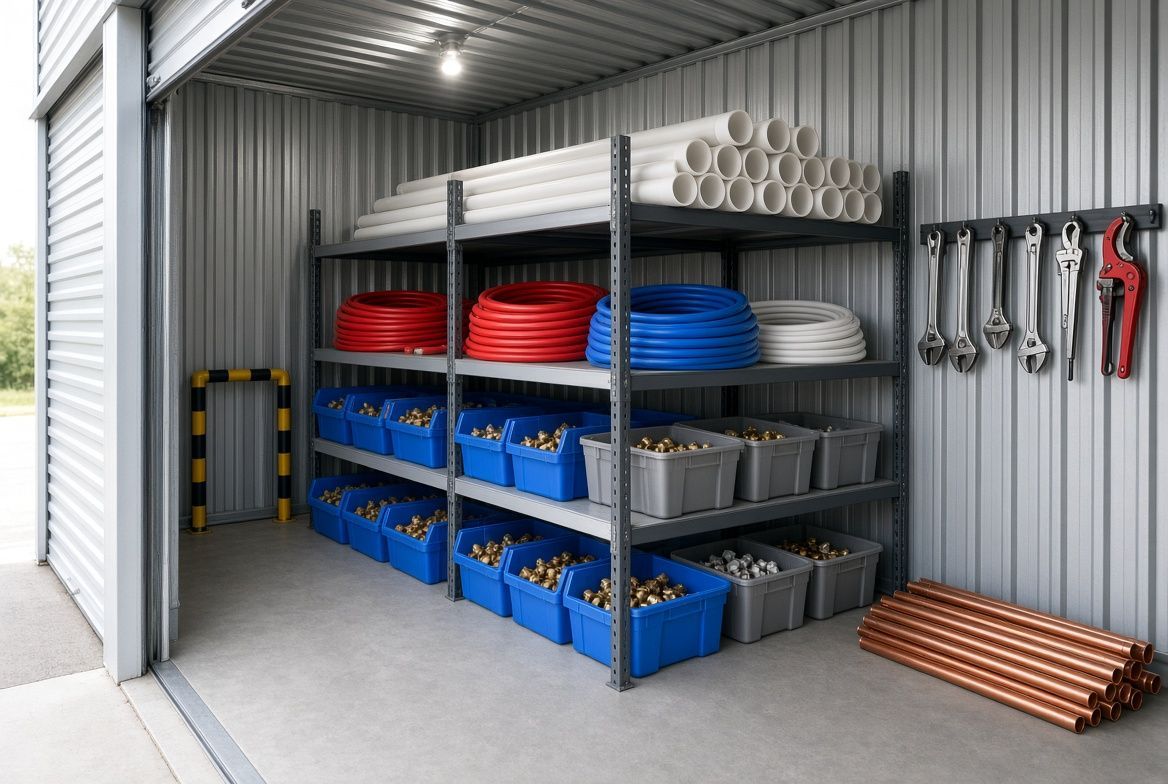
Shelving can be divided into practical categories such as testing equipment, replacement components, fixings and general consumables. Larger items should have their own designated areas rather than being placed in walkways or stacked wherever space remains.
Clear labelling is particularly useful when more than one engineer accesses the same stock. A storage system only works properly when everyone understands it.
Protect Tools and Diagnostic Equipment
Heating engineers increasingly rely on specialist testing and diagnostic equipment alongside traditional hand tools. These items need suitable protection when they are not being used.
Equipment should be clean and dry before storage. Protective cases should be used where supplied, particularly for instruments that could be damaged by dust, knocks or pressure from heavier items.
Avoid stacking heavy boxes on top of cases containing delicate equipment. Shelving should also be sufficiently strong for the weight being stored on it.
Electronic equipment and batteries may have specific storage requirements relating to temperature, charging or humidity. Manufacturer instructions should therefore be checked rather than assuming all tools can be stored in the same conditions.
Before returning equipment to regular use after a long period in storage, inspect it and carry out any checks or calibration required by its manufacturer.
Organise Boiler Parts and Components Carefully
Replacement components can quickly become difficult to manage when they are collected from different jobs or purchased as reserve stock.
Grouping parts by type can make stock easier to check. Where appropriate, keeping manufacturer or model information visible on the packaging may also reduce the risk of selecting an unsuitable component.
Original packaging is worth retaining when it provides useful identification or physical protection. Smaller components can be kept in labelled containers, while delicate items should be positioned where they are unlikely to be knocked or crushed.
It is also worth being selective about what is retained. A component left over from a previous job is not necessarily valuable stock if it is unlikely to be used again.
Regularly reviewing stored parts prevents shelves becoming filled with obsolete, damaged or unidentified components.
Rotate Stock Rather Than Simply Adding to It
One of the biggest risks with additional storage space is allowing it to become a place where surplus stock accumulates indefinitely.
A simple rotation system can prevent this. When new supplies arrive, check existing stock before putting them away. Older suitable stock can remain more accessible so that it is considered first where appropriate.
Products with expiry dates or manufacturer-defined shelf lives require particular attention. Dates should remain visible rather than being hidden against a wall or underneath other boxes.
A periodic review also helps identify duplicate purchases. When engineers cannot easily see what is already available, they may buy components that are sitting unused elsewhere.
This is where organisation can have a direct practical benefit: better visibility of stock can reduce unnecessary purchasing as well as wasted storage space.
Use Additional Storage for Seasonal Capacity
Not every heating business has enough workshop or office space to accommodate fluctuations in stock. Expanding permanent premises solely to deal with seasonal equipment may not always be practical.
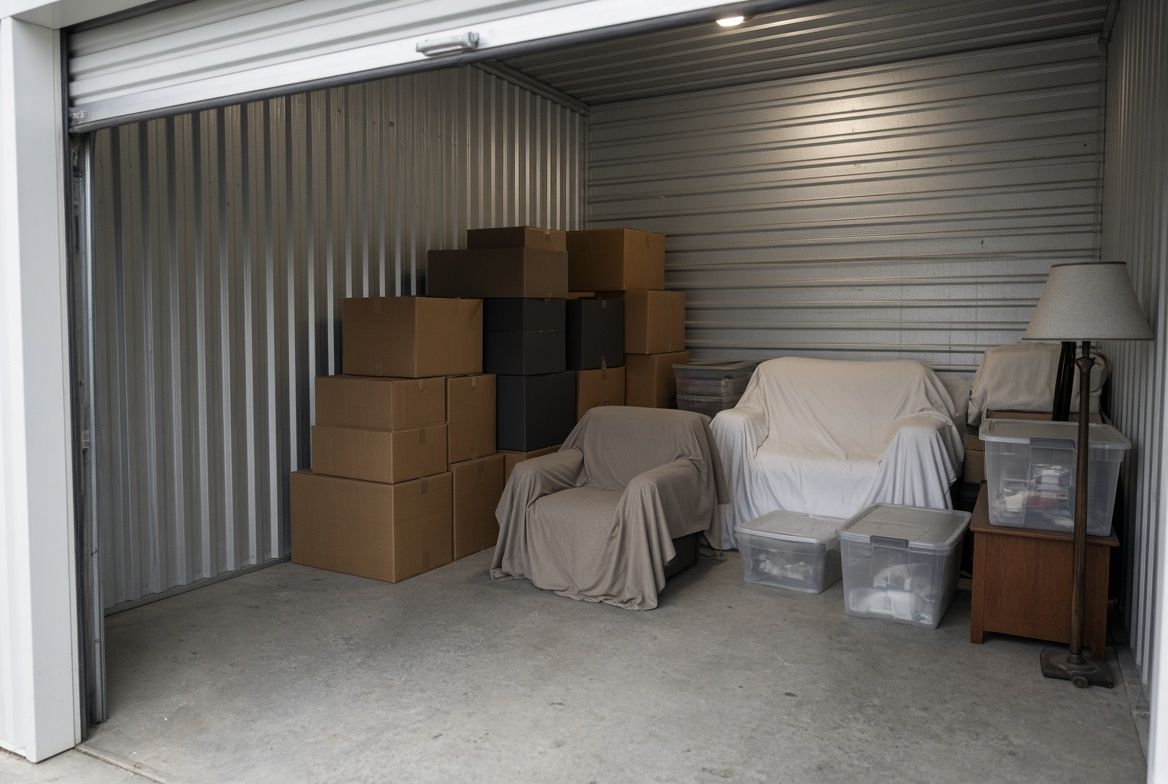
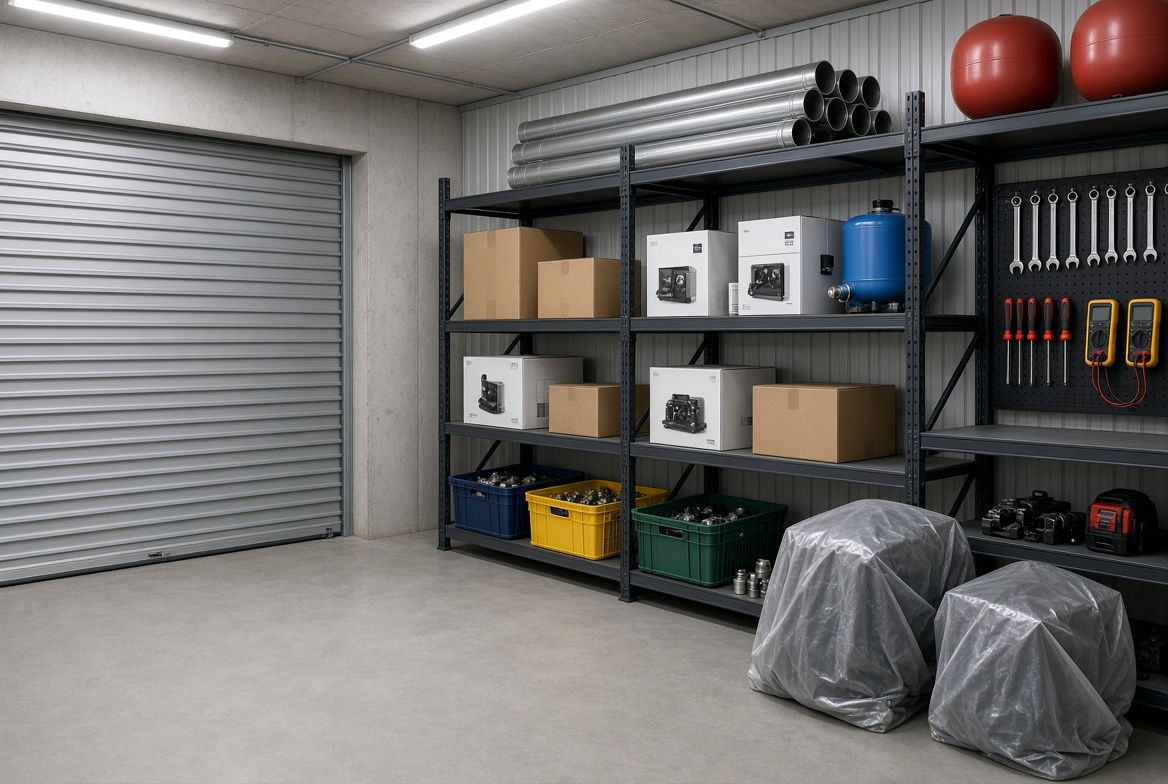
For businesses that need additional capacity, business storage in Peterborough can provide a separate space for suitable tools, equipment and stock that does not need to remain in a van or workplace every day.
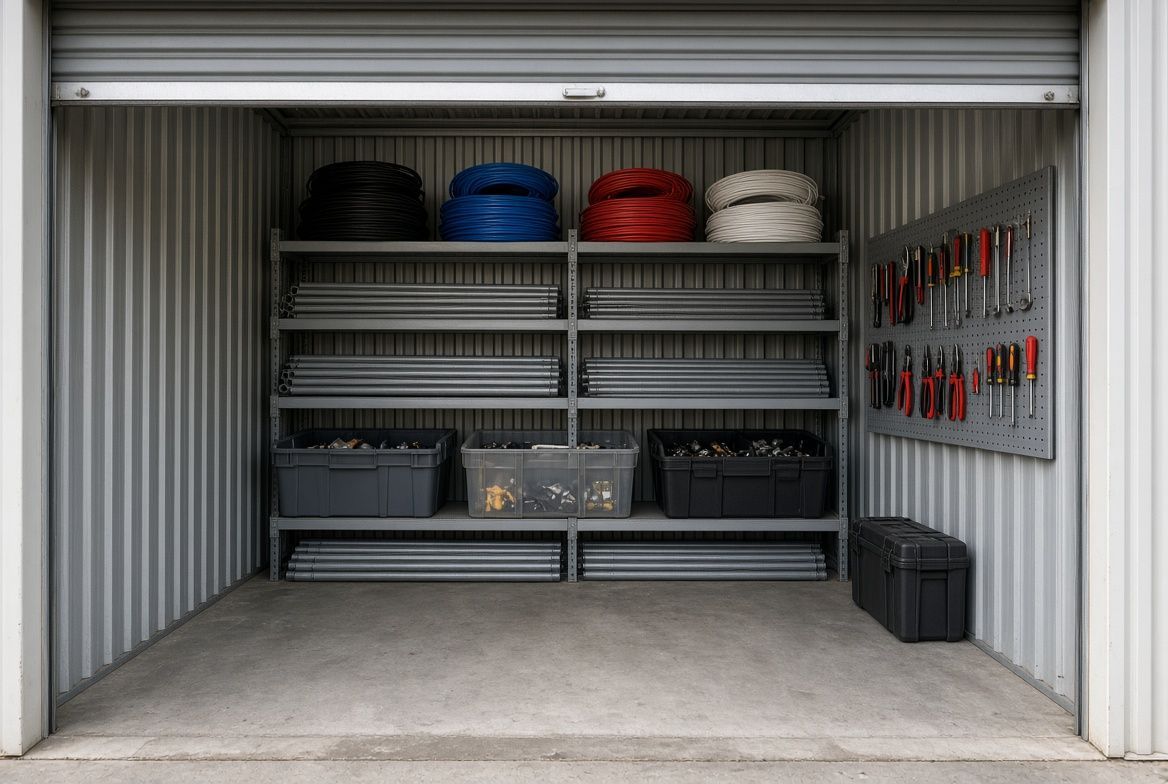
The important point is to use that additional space deliberately. Shelving, labelled zones and a clear walkway can turn a storage unit into a practical extension of the business rather than simply another place to leave boxes.
Items likely to be collected frequently should remain towards the front. Reserve or genuinely seasonal stock can sit further back, provided it is still accessible when required.
This arrangement can be particularly useful when preparing for a busier period because stock can be organised in advance without filling working vehicles with items that are not yet needed.
Check Restrictions Before Storing Liquids or Chemicals
Heating work can involve products that require more careful handling than ordinary tools and replacement parts.
Do not assume that every trade product can be placed in a self-storage unit. Fuels, gases, flammable products, hazardous substances and certain chemicals may be prohibited by the storage provider or subject to specific legal and safety requirements.
Check product labels and Safety Data Sheets where applicable, and follow the manufacturer's storage instructions. The storage facility's terms should also be reviewed before bringing any potentially restricted material onto the site.
If there is uncertainty about whether a product can be stored, ask the storage provider first.
Separating these considerations from ordinary stock management is important. A spare valve or boxed tool presents a very different storage issue from a pressurised, flammable or chemically hazardous product.
Keep an Inventory of What Goes Into Storage
An inventory becomes increasingly useful as the amount of stored equipment grows.
It does not have to be complicated. A spreadsheet or digital stock list can record the item, approximate quantity, storage location and any relevant date information.
For higher-value equipment, businesses may also want to record serial numbers and retain purchase information separately. Photographs can provide an additional record of equipment condition and identification.
An inventory should be updated when stock is removed rather than treated as a document that is checked once a year. If the records no longer reflect what is actually on the shelves, their usefulness quickly disappears.
Businesses with several engineers can also establish a straightforward process for recording when reserve stock is taken from storage.
Prepare Before the Cold Weather Arrives
The worst time to discover that seasonal stock is disorganised is when workloads have already increased.
Before the colder period begins, inspect stored equipment, check commonly used stock and make sure important items are accessible. Remove unnecessary packaging or obsolete materials that are taking up useful space, while retaining packaging where it protects or identifies components.
It is also worth checking that tools which have been stored for an extended period remain in suitable condition. Batteries, electronic instruments and specialist equipment may need attention before returning to regular service.
Preparing early gives heating businesses time to solve stock problems without the pressure of a busy schedule.
Make Seasonal Storage Part of Business Planning
For heating engineers, storage requirements rarely remain identical throughout the year. Demand changes, stock levels fluctuate and certain equipment becomes more important as the seasons shift.
A useful storage system should respond to those changes. Separating everyday equipment from reserve stock, protecting specialist tools, rotating components and maintaining an accurate inventory can all make stored equipment easier to manage.
The objective is not to fill every available shelf. It is to create enough organised capacity to support the way the business works at different points in the year.
When seasonal storage is reviewed as part of normal business planning, engineers can enter busy periods knowing what equipment they have, where to find it and what needs replenishing. That can make the transition into the heating season considerably more manageable.