Storing Paint & Decorating Supplies Safely
Decorating work involves an unusually varied collection of materials. Brushes, rollers, trays, dust sheets, wallpaper, tools and unopened supplies may all need to be kept between projects, while paints, solvents and aerosols require much more careful consideration. Without an organised system, useful equipment can become damaged and old products can gradually accumulate without anyone knowing whether they are still suitable for use.
Good storage is particularly valuable when decorating equipment is used across multiple properties. Teams providing professional decorating services may need different tools and materials depending on the surfaces, finishes and scale of each project. Keeping reusable equipment clean, organised and easy to identify can make preparation for the next job considerably simpler.
However, decorating supplies should never all be treated in the same way. A clean roller frame or folded dust sheet presents a very different storage consideration from a flammable solvent or pressurised aerosol. Safe storage starts by understanding those differences.
Sort Supplies Before Putting Them Away
The easiest way to create an unmanageable decorating store is to put everything into boxes at the end of each job and deal with it later.
Instead, sort materials before they enter longer-term storage. Reusable tools should be separated from consumables, dry products and anything that requires special handling.
Useful categories might include brushes and rollers, hand tools, protective equipment, wallpaper and coverings, preparation materials and general accessories.
Products such as paints, solvents, aerosols and chemicals should be considered separately. Check their labels and Safety Data Sheets where applicable, as well as the rules of the facility where you intend to store them.
This first sorting stage also provides an opportunity to remove empty containers, damaged equipment and materials that are no longer useful rather than paying to store them indefinitely.
Store Paint According to Product Instructions
Paint should be treated according to its specific formulation and manufacturer's instructions rather than relying on one rule for every tin.
Temperature can affect certain products, and manufacturers may specify conditions that should be avoided. Containers should remain properly sealed and clearly labelled so their contents can be identified without opening them.
Before storing leftover paint, inspect the container. A damaged, leaking or badly corroded tin should not simply be placed on a shelf. It can be useful to record where a particular paint was used, especially when retaining small quantities for future touch-ups. Note the room, property or project reference without putting unnecessary personal customer information on the container.
Most importantly, check whether the storage facility permits the particular product. Some paints or related decorating materials may fall within restrictions concerning flammable or hazardous substances.
Clean Brushes Before Storage
A good decorating brush can be used repeatedly when it is cleaned and stored properly.
Follow the paint manufacturer's guidance for cleaning equipment used with the particular coating. Once cleaned, brushes should be allowed to dry appropriately before being put away.
Avoid throwing damp brushes into a closed toolbox with other equipment. Trapped moisture and residue can leave tools in poor condition by the time they are required again.
Brushes should also be protected from being crushed. Bristles pressed underneath heavy equipment for several months may become distorted.
Where a brush came with a protective keeper or cover, retaining it can help protect the shape during storage. Otherwise, arrange brushes so the bristles are not carrying unnecessary weight.
Give Rollers and Trays Proper Attention
Roller frames, sleeves, trays, extension poles and related accessories can consume considerable space when they are not organised.
Reusable items should be cleaned appropriately after use. Once dry, roller frames and extension equipment can be grouped together rather than being spread between unrelated boxes.
Roller sleeves that are being retained should be clean and suitable for reuse. Keeping heavily worn or poorly cleaned sleeves merely adds clutter and may result in them being mistakenly taken to another job.
Trays and scuttles can sometimes be nested to save space, provided they are clean and dry. Do not allow dried material or dirty equipment to contaminate other stored supplies.
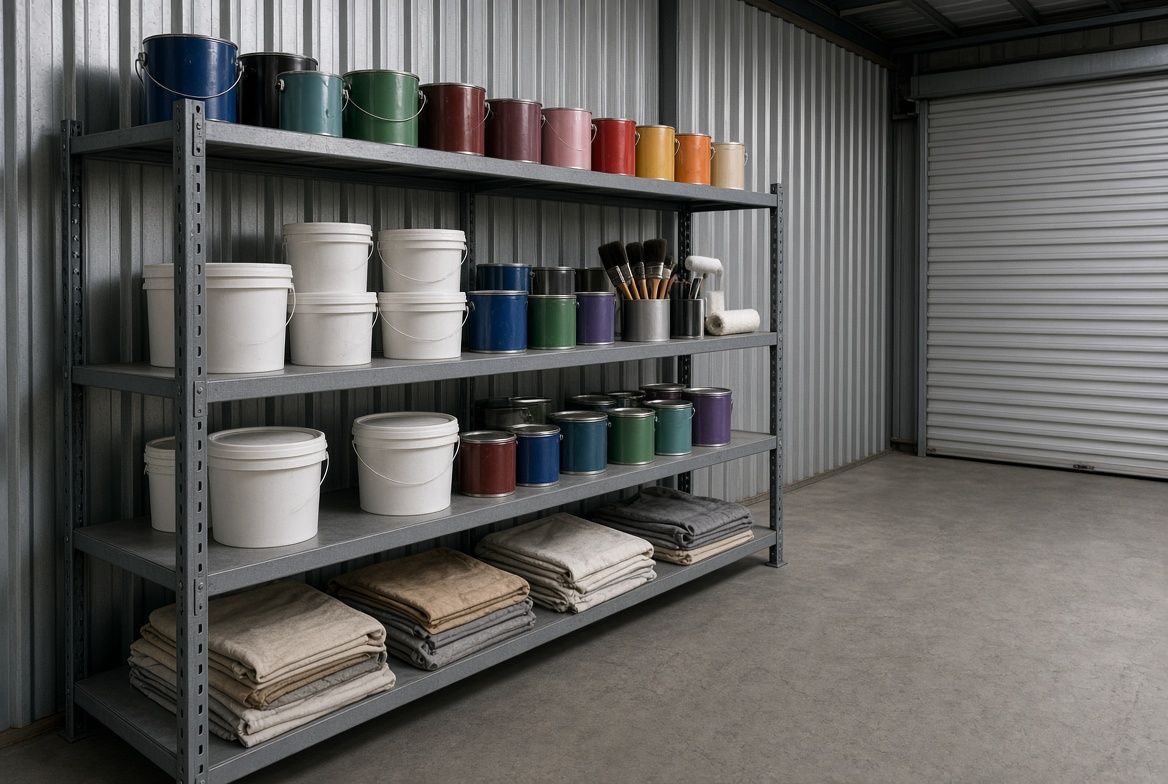
A dedicated shelving area for painting equipment makes it much easier to see what is available before purchasing replacements.
Protect Wallpaper and Decorative Coverings
Wallpaper and similar decorative materials need different protection from hard-wearing tools.
Rolls should be kept clean, dry and protected from crushing or impact. Manufacturer instructions should be followed for the specific product, including any requirements concerning positioning or environmental conditions.
Do not place heavy toolboxes on top of rolls simply because they occupy convenient horizontal space.
Leftover wallpaper can be worth retaining for future repairs, particularly where matching the same pattern or batch later may be difficult. Label spare rolls with enough information to identify the relevant project and product.
Opened or partial rolls should be protected from dust and dirt. If packaging has been removed, consider an appropriate clean covering that does not conflict with the manufacturer's storage guidance.
Keep Dust Sheets and Protective Equipment Clean
Dust sheets, masking equipment and protective coverings are easy to overlook because they may not be as valuable as power tools, but poor storage can make them unpleasant or unsuitable to use.
Allow washable fabric dust sheets to dry fully before folding and storing them. Packing away damp fabric can create odours and encourage deterioration.
Clean sheets should be kept away from dirty tools and leaking containers. Separating clean protective materials from used equipment means they are ready to take directly to the next job.
Reusable protective equipment should also be inspected before storage. Damaged items should be repaired where appropriate or replaced rather than automatically being returned to the shelf.
Disposable products can be grouped together and their quantities monitored so shortages are noticed before the next project begins.
Separate Liquids From Dry Decorating Materials
Even where a liquid product is permitted in a particular storage location, it should not be positioned carelessly among materials that could be ruined by a leak.
Wallpaper, dust sheets, masking paper and other absorbent supplies should be kept separately from permitted liquids.
Containers should remain upright where their instructions require it and should not be balanced on unstable stacks. Avoid positioning liquids above valuable tools or absorbent materials.
Regular inspections are worthwhile because containers can deteriorate over time. Spotting a damaged container early can prevent a small issue from affecting several boxes of equipment.
Remember that physical separation does not make a prohibited product acceptable to store. Facility rules and product safety requirements still take priority.
Use Storage Space as an Organised Equipment Base
Decorators can accumulate reusable equipment faster than expected, particularly when several projects are running at once. Keeping everything in a vehicle or at home can make it harder to separate equipment for different jobs.
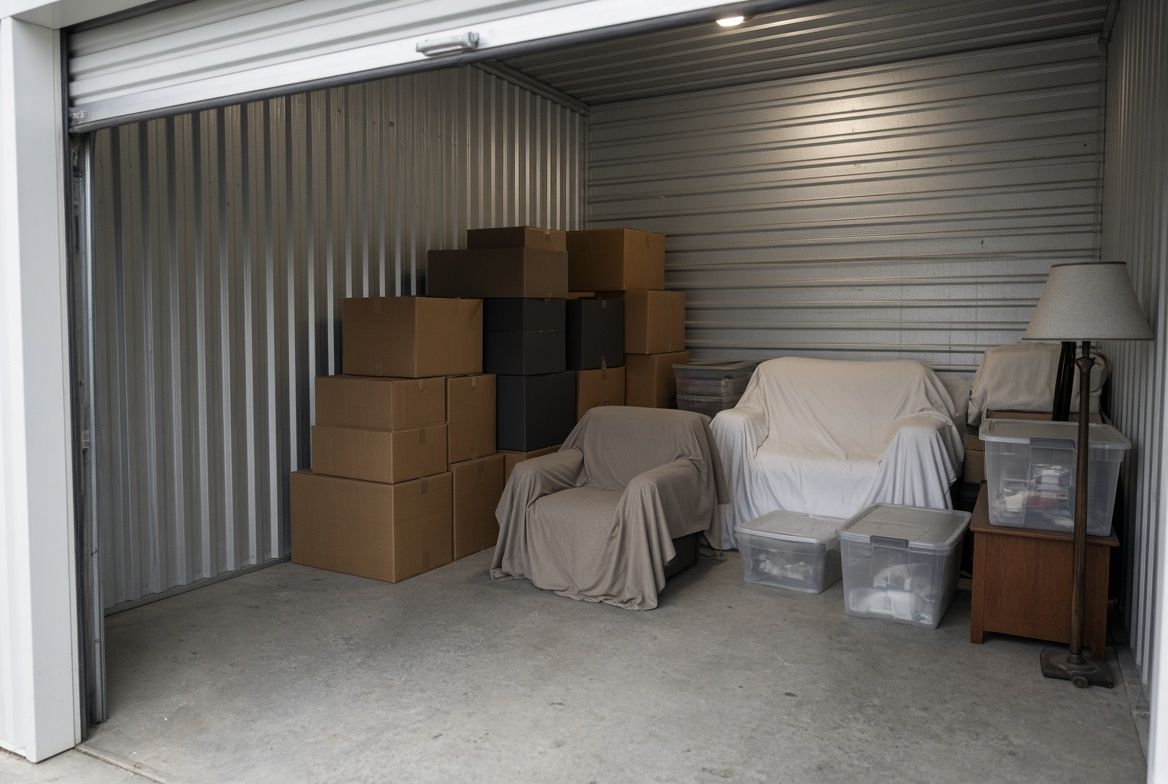
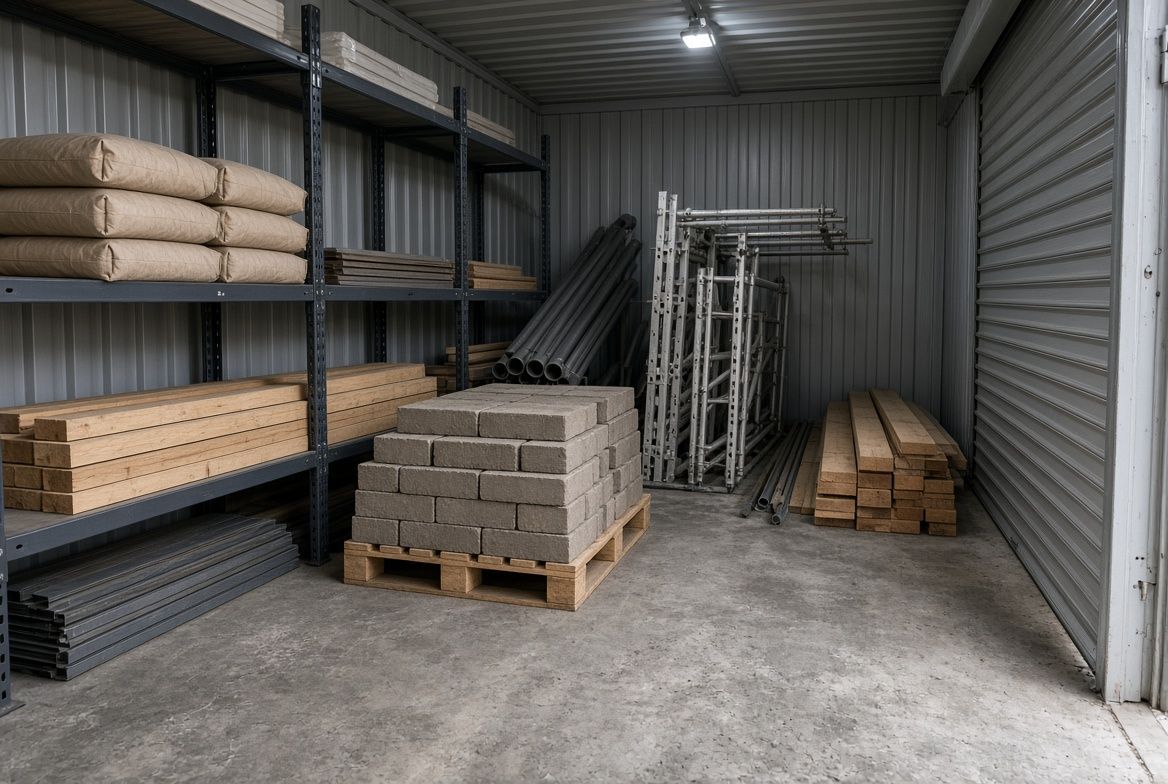
Where the items concerned are permitted, self storage in Peterborough can provide additional room for suitable tools, clean decorating equipment and other approved supplies that do not need to travel in a van every day.
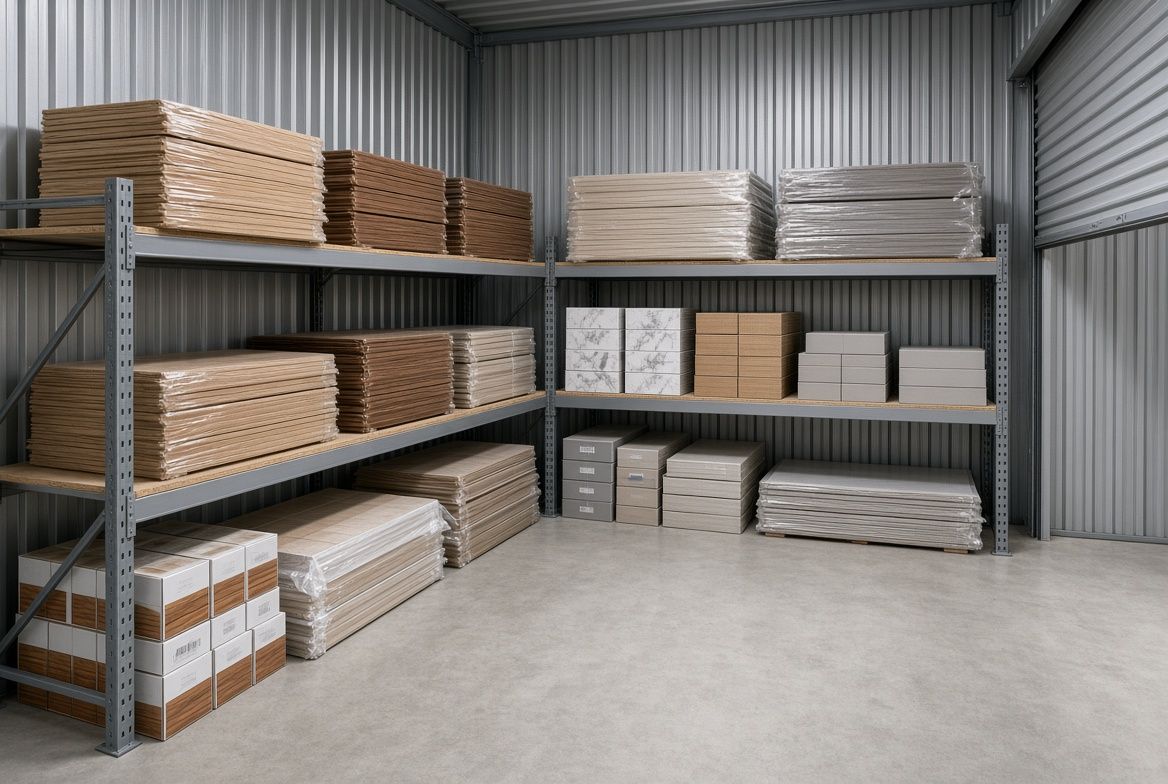
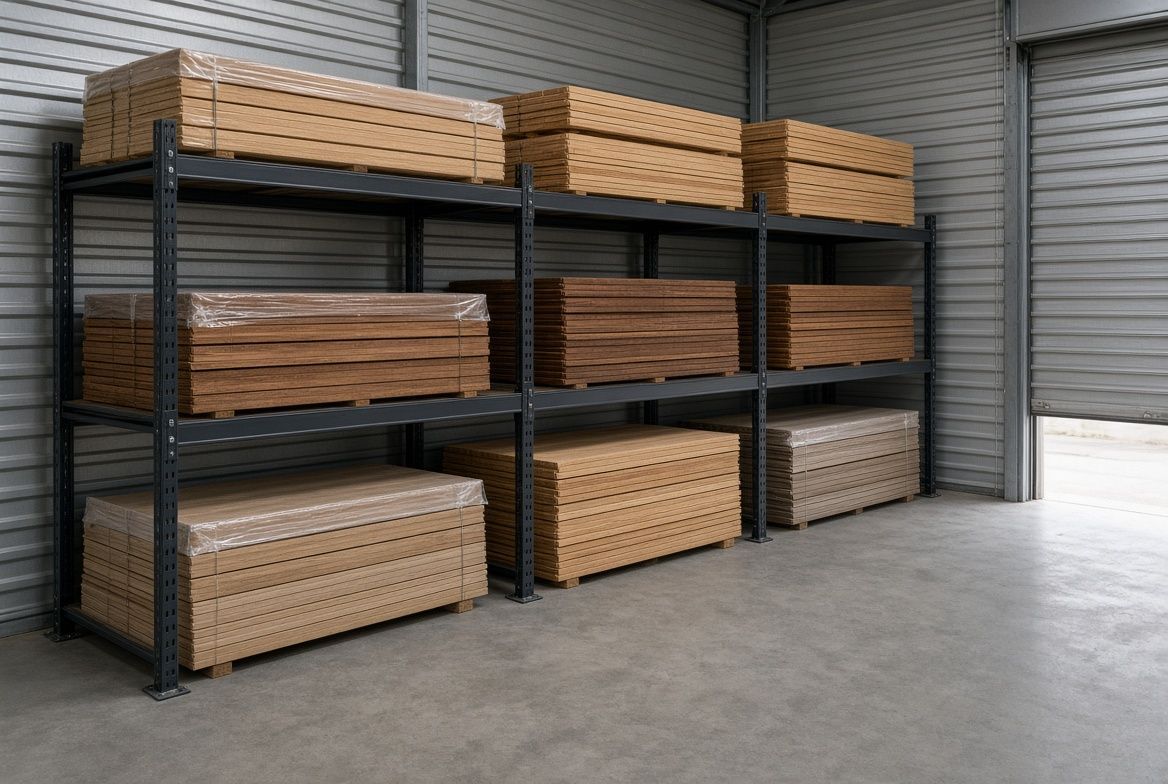
The space works best when it is treated as an organised equipment base rather than an overflow cupboard. Use shelving where appropriate, maintain a clear route through the unit and group equipment according to how it is used.
Frequently collected items can remain towards the front, while genuinely seasonal or less commonly used equipment can sit further back.
This arrangement also makes stock checks easier because tools and approved supplies are visible rather than buried beneath unrelated household or business items.
Check What the Storage Facility Actually Allows
This is particularly important for decorators.
Self-storage providers commonly restrict certain hazardous, flammable or combustible materials. Some decorating products can fall into these categories, depending on their formulation.
Never assume that a product is acceptable because it is sold for ordinary domestic or professional decorating work.
Check the storage provider's current prohibited-items policy before bringing paint, solvents, thinners, aerosols, chemicals or other potentially restricted substances onto the premises. Read the manufacturer's label and Safety Data Sheet where applicable as well.
If the rules are unclear, ask the storage provider and describe the exact product rather than using a broad term such as “decorating supplies”.
Suitable storage for brushes, ladders and clean equipment does not automatically mean suitable storage for every substance a decorator uses.
Deal With Leftovers After Each Project
Decorating work naturally creates leftovers. Some are worth keeping; others simply occupy space.
Unopened, usable materials may have value for future work, while clearly identified remnants can sometimes be useful for repairs or touch-ups. Their suitability for continued storage should be assessed against product instructions and any relevant shelf-life information.
Avoid keeping unidentified containers. If nobody knows what a product is, where it came from or whether it remains suitable, its practical value is limited.
The same principle applies to tools. Broken trays, worn sleeves and damaged accessories should not automatically return to storage simply because there is room.
A short end-of-project review can prevent years of unnecessary stock from accumulating.
Maintain a Simple Decorating Inventory
A basic inventory can save decorators from repeatedly purchasing tools or supplies they already own.
It does not need to record every brush individually. Focus on useful categories, higher-value tools and stock that would otherwise be difficult to track.
For approved consumables, record approximate quantities and product references where helpful. Project-specific materials can also be marked so they are not accidentally used elsewhere.
If several people access the same storage area, establish a simple process for recording when important equipment is removed.
Periodically compare the inventory with what is physically present. A stock list that has not been updated for months can create more confusion than having no list at all.
Keep Safety at the Centre of Decorating Storage
Effective decorating storage is partly about organisation, but safety has to come first.
Clean and protect reusable tools, keep dry materials away from permitted liquids and organise equipment so it can be retrieved without repeatedly moving heavy or fragile items. Regular checks can help identify damaged packaging, leaking containers and supplies that no longer need to be retained.
Most importantly, distinguish ordinary equipment from products that may be flammable, hazardous or otherwise restricted. The fact that a product is commonly used by decorators does not automatically make it suitable for general self storage.
With those precautions in place, a well-organised storage system can protect useful equipment, reduce unnecessary replacement purchases and make preparing for future decorating projects considerably easier.